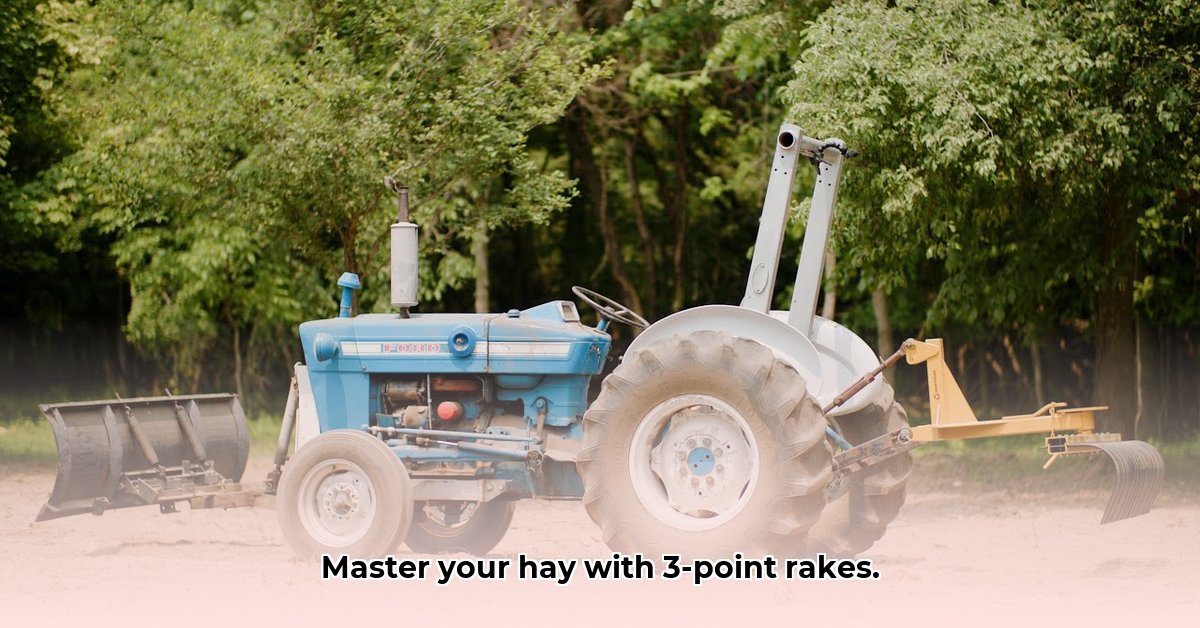
Tired of backbreaking labor and less-than-perfect soil? A tractor-mounted landscape rake can revolutionize your farming operation. This comprehensive guide will equip you to choose the right rake, use it effectively, and integrate it into a sustainable soil management strategy. We'll cover everything from selecting the ideal rake to troubleshooting common issues – all explained in clear, practical terms. For even more information, check out this helpful resource.
Understanding Your Tractor Supply 3-Point Rake Options
Choosing the right 3-point rake is crucial for efficient land preparation and soil health. Several factors influence this decision: your farm's size, soil type, budget, and intended use. Let's explore the options:
Types of Tractor Landscape Rakes
Heavy-Duty Rakes: Built for large farms and challenging terrain, these robust rakes handle heavy loads and tough conditions. They represent a significant investment, but their durability ensures longevity. Think of them as the workhorses of the rake world.
Light-Duty Rakes: Ideal for smaller properties and lighter tasks, these rakes offer affordability and maneuverability. While less durable than heavy-duty models, they are perfect for smaller jobs and gentler soil.
Spring-Tine Rakes: These gentler options minimize soil disruption, making them ideal for seedbed preparation. Their design promotes healthy root growth and preserves soil structure. They're the "gentle giants" of the rake world.
Rigid-Tine Rakes: Best suited for clearing heavy debris or leveling uneven ground, these rakes offer aggressive performance. While effective, improper use can lead to soil compaction.
Here's a comparison table summarizing the key differences:
| Rake Type | Best Use | Advantages | Disadvantages |
|---|---|---|---|
| Heavy-Duty | Large farms, tough terrain | Durable, high capacity | Higher cost, may be overkill for smaller jobs |
| Light-Duty | Smaller properties, light workloads | Affordable, easy to maneuver | Less durable, lower capacity |
| Spring-Tine | Seedbed preparation, light debris removal | Gentle on soil, minimizes compaction | Less effective for heavy debris removal |
| Rigid-Tine | Heavy debris removal, leveling rough terrain | Aggressive, effective debris removal | Can compact soil, potential for soil damage |
Choosing the Right Rake for Your Needs
Consider these factors when selecting a Tractor Supply 3-point rake:
Farm Size: Larger farms typically benefit from heavy-duty rakes; smaller operations may find light-duty models sufficient.
Soil Type: For delicate soils, spring-tine rakes are preferred; rigid-tine rakes are better suited for tougher, more compacted soils.
Budget: Balance cost with the rake's durability and capacity to ensure a suitable return on investment.
Intended Use: Consider the primary tasks the rake will perform (e.g., seedbed preparation, debris removal, leveling).
Using a Tractor Landscape Rake Effectively: A Step-by-Step Guide
Safety is paramount! Before operating, always:
Inspect and Secure: Thoroughly inspect the rake for damage or loose connections. Ensure all safety mechanisms on your tractor are engaged.
Clear the Area: Remove any large rocks, debris, or objects that could damage the rake or the tractor.
Adjust the Rake: Set the rake's height and angle based on the specific task and terrain.
Now, let's rake!
Engage PTO Slowly: Start the Power Take-Off (PTO) slowly to prevent sudden jolts and maintain control.
Systematic Passes: Work in overlapping passes to ensure even coverage, similar to mowing a lawn.
Constant Monitoring: Observe your progress and adjust speed and angle as needed to optimize soil preparation.
Soil Health and Sustainable Practices: A Holistic Approach
Integrating raking into a broader soil management strategy is crucial for long-term soil health. Consider practices such as:
Soil Testing: Regular soil testing provides critical insights into your soil's health, guiding your soil management decisions.
Crop Rotation: Rotating crops helps maintain soil fertility and reduces pest and disease pressure.
Cover Crops: Planting cover crops protects the soil from erosion and adds valuable organic matter.
By minimizing soil compaction and erosion, you cultivate healthier soil, leading to reduced reliance on chemical inputs and a more environmentally friendly farming operation.
Troubleshooting and Maintenance: Keeping Your Rake in Top Shape
Regular maintenance is key to extending the lifespan of your rake:
Post-Use Inspection: After each use, inspect for bent or broken tines, and address any issues promptly.
Lubrication: Keep moving parts lubricated to ensure smooth operation and reduce wear and tear.
Proper Storage: Store the rake in a dry, sheltered location to prevent corrosion and damage.
Common problems and solutions:
Bent Tines: Repair or replace immediately to maintain effectiveness.
Uneven Raking: Adjust the rake's angle and/or depth.
PTO Issues: If experiencing PTO problems, consult a qualified mechanic.
Conclusion: Reaping the Rewards of Sustainable Farming
A Tractor Supply 3-point rake, when used correctly and integrated into a comprehensive soil management plan, is a powerful tool for sustainable farming. It improves efficiency, promotes soil health, and contributes to a more environmentally responsible approach to agriculture. Invest in this essential tool and reap the rewards of a healthier, more productive farm.